
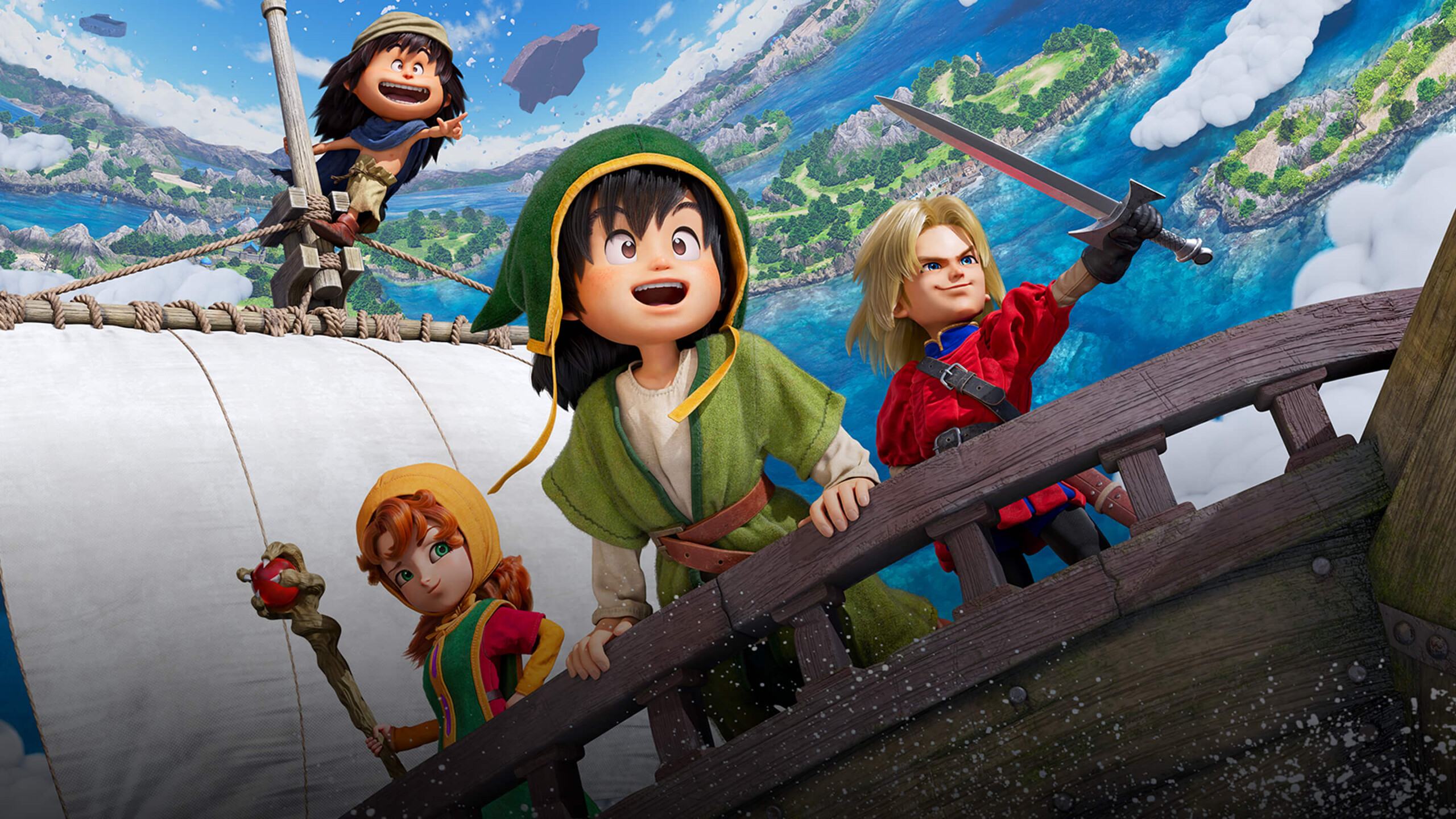
Square Enix’s ground-up remake of the PlayStation classic Dragon Quest VII released yesterday, February 5, 2026, bringing the time-traveling epic to modern platforms with significant changes to its structure and presentation.
The reimagined version is now available across PlayStation 5, Xbox Series X|S, PC, Nintendo Switch, and Nintendo Switch 2, marking one of the franchise’s most ambitious remakes to date. Originally released for PS1 in 2000 in Japan and 2001 internationally, Dragon Quest VII was known for its lengthy runtime and slow opening hours, aspects the remake directly addresses.
What’s Changed in the Remake
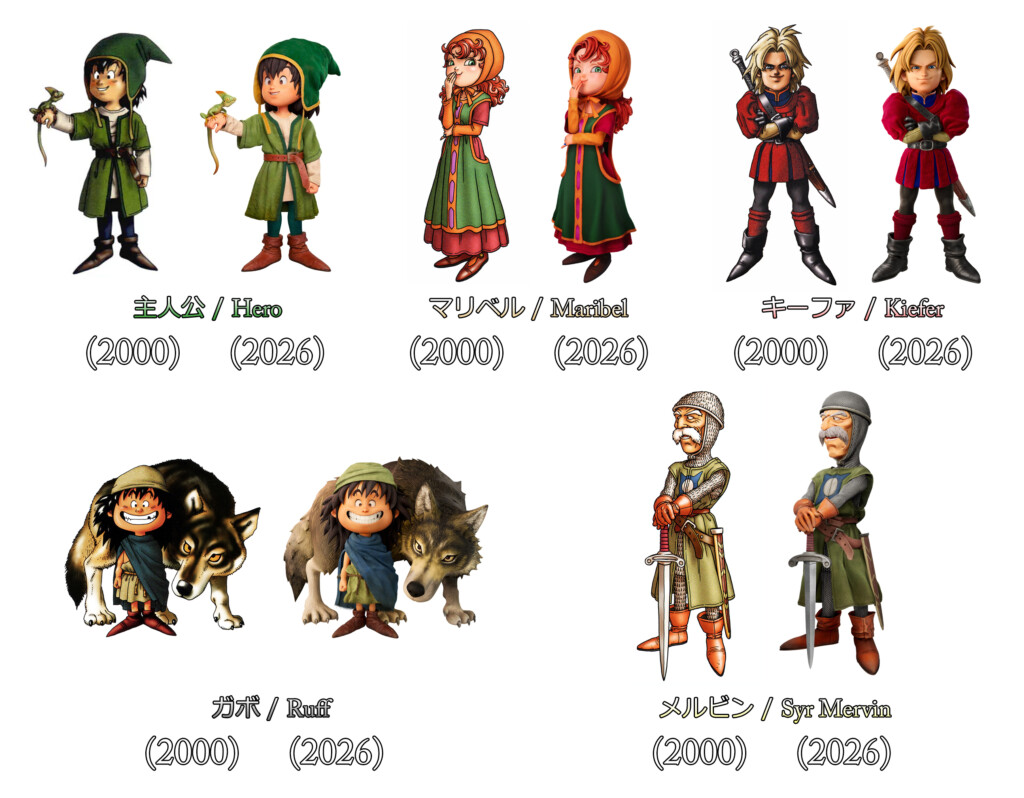
Square Enix has streamlined the progression system and reworked character designs for this release. The new visual style features a distinctive diorama aesthetic that sets it apart from the original’s presentation, though reactions to this artistic direction have been mixed among longtime fans.
The combat system retains its turn-based foundation while incorporating quality-of-life improvements designed to speed up encounters and reduce repetition. Square Enix aims to make the experience more accessible without fundamentally altering what made the original compelling to its audience.
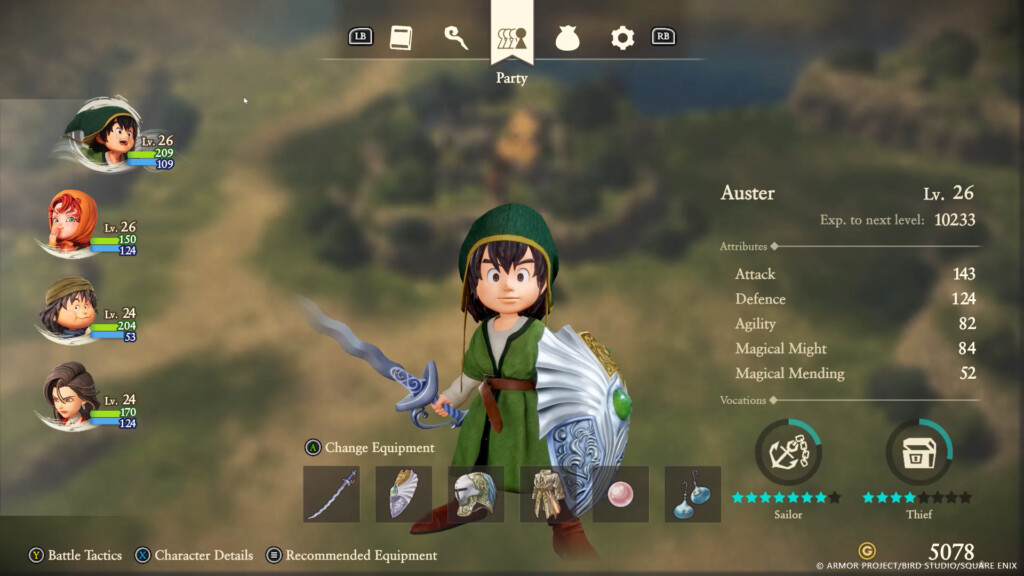
The vocation system, which allows characters to change classes and learn different abilities, returns with refinements. Players can still customize their party extensively through this mechanic, one of the defining features of the original release.
A Second Chance for an Overlooked Entry
Dragon Quest VII didn’t find the same international audience as other entries in the series during its initial release, particularly outside Japan. The game’s extended playtime and deliberate pacing made it a harder sell in Western markets compared to faster-paced contemporaries.
This remake provides an opportunity for players who missed the original to experience one of the series’ most ambitious narratives. The time-travel premise allows the party to visit different eras and restore various islands, creating a structure that differs from most traditional RPG campaigns.
Multiplatform Availability
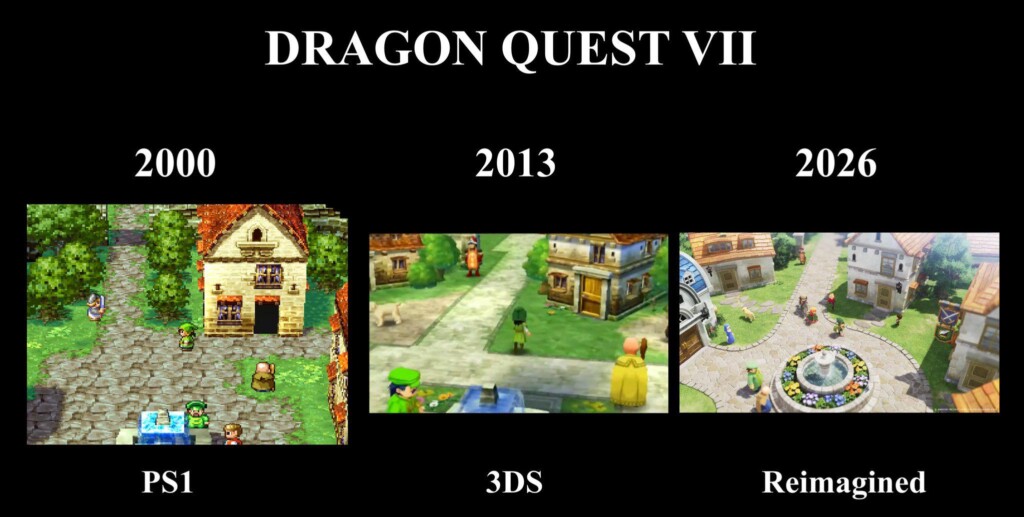
Dragon Quest VII Reimagined’s simultaneous release across all major gaming platforms contrasts with the original’s PlayStation exclusivity and the 3DS remake that followed years later. The game supports both current and next-generation Nintendo hardware, making it accessible to the widest possible audience.
For players interested in classic JRPGs with extensive content and traditional turn-based mechanics, Dragon Quest VII Reimagined represents a significant update to a divisive but ambitious entry in one of gaming’s longest-running franchises.